
Romantic Good Morning Ideas to Surprise Your Partner

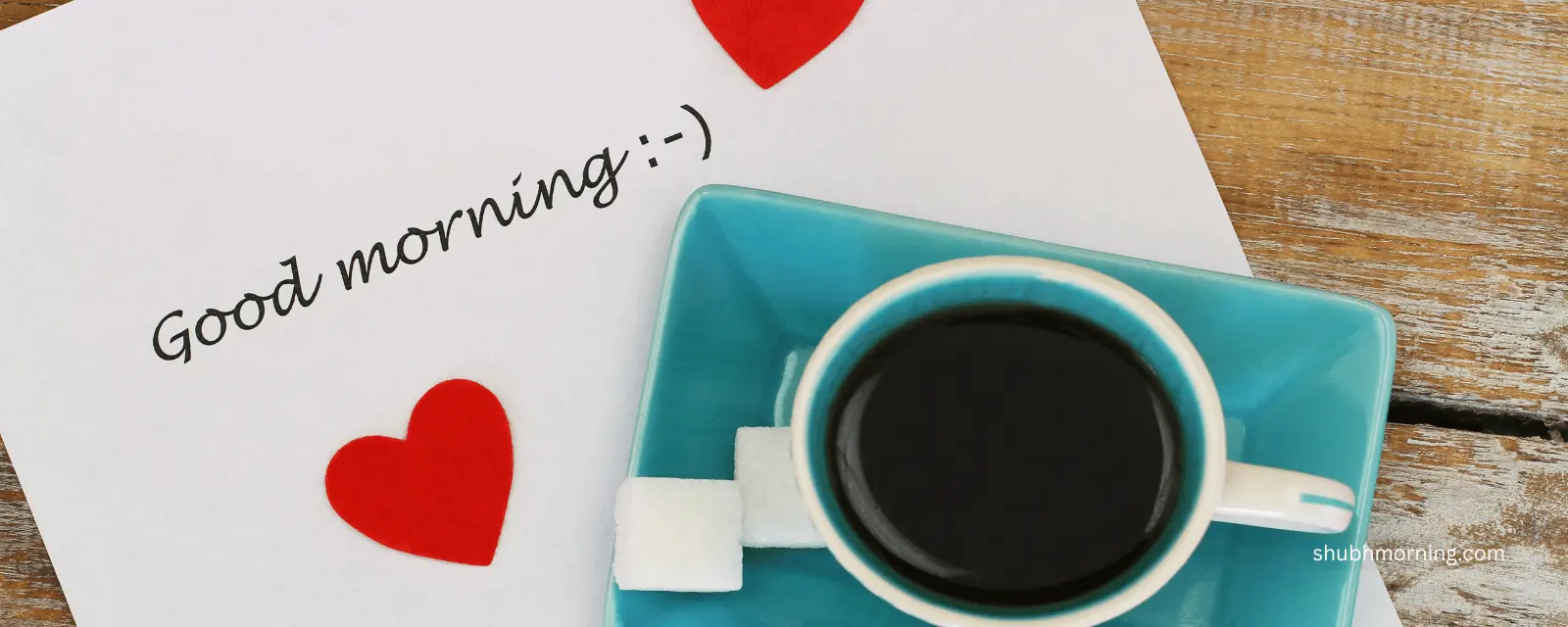
No gesture in a relationship gives back so much for so little as the morning message. One minute is all it takes, and it sets the tone for somebody's whole day.
Be specific about something
"Good morning" does no harm. "Good morning, I hope your presentation goes well today" does a great deal more. Being specific is proof that you were paying attention, and attention is the entire point.
Let a picture carry the words
A romantic good morning image gives the message somewhere to land, which matters most early on when nobody has the patience for a paragraph. Roses, sunrises and gentle colours land well; loud graphics do not.
Little things that go a long way
Get there before they ask. Do it on a nothing-special Tuesday, not just on anniversaries. And now and then, send nothing digital whatsoever. A cup of chai set down beside them outdoes every image ever made.
Timing counts for more than you would guess
Arrive before they have reached for the phone and your message is waiting for them; arrive at eleven and it is up against work. The first one shapes the morning, the second is one more notification.
Wake up later than they do? Send it the previous night and leave it sitting unread. Not one person has ever objected to finding a midnight message waiting at seven.
When there is distance between you
Distance is the point at which the morning message stops being a courtesy and starts pulling its weight. Couples in separate cities, or separate time zones as most of the Indian diaspora are, often have no other fixed point of contact in the day.
Mention your own day, not only theirs. "Good morning, it is raining here, wish you could see it" hands them something to answer. A greeting with nothing to catch hold of closes a conversation instead of opening one.
Things to leave unsent
Four things undo a morning message faster than anything you could add to it, and all four share one flaw: each one quietly hands the reader a task instead of a wish.
- The forwarded chain message. It tops the list, because it asks the reader for something in exchange for a greeting.
- Anything carrying somebody else's watermark. It announces, before a word is read, that you gave it no time at all.
- A long romantic poem copied off the internet. The same failing in a nicer font; write your own line instead, however short.
- A greeting that is really an errand. "Good morning, did you send that thing?" is a request wearing a wish's clothes. Send the wish first and ask in a separate message.
Keeping it alive across years
Do anything daily for long enough and it turns into wallpaper. The escape is not sending more but changing the register: a picture and nothing else some mornings, a single line on others, and a longer message on the odd day when there is genuinely something to say.
And every so often, send nothing digital at all. A cup of chai left within their reach, or the curtains drawn open before they wake, beats every image ever made, the ones on this site included.
The morning that follows a fight
Here is the one morning where the message counts for most and is hardest to send. A greeting the day after an argument is no resolution and should not pose as one. What it does communicate is that the argument has not swallowed everything else, and that is usually the thing the other person is waiting to learn.
Keep it bare. "Good morning. I still want to sort this out." No picture, no ornament. Hold the pretty image back for a morning when it is not being asked to carry emotional weight it cannot hold.
In the early days of a relationship
At the start, a daily good morning can come across as pressure rather than warmth, since it sets an expectation neither of you has agreed to yet. A few mornings a week reads friendlier than every morning, and it leaves the habit room to become mutual instead of assigned.
Pay attention to what comes back. Messages answered hours later in a single word, again and again, are telling you something, and sending more will not rewrite it. Let frequency follow interest rather than lead it.
Let the habit run both ways
The healthiest form of this is not one person sending while the other receives. Be the sender every single time and the habit quietly turns into a small ledger you never meant to keep, and that resentment shows up somewhere else months down the line.
Say it in words rather than waiting to be noticed: "I like it when you message me in the morning." That one sentence does more for the habit than another fifty images, and it belongs to the class of things couples assume is obvious when it hardly ever is.